
How Sensor Dispensers Improve Restroom Hygiene
Touchless soap dispensers help prevent the spread of bacteria by removing the need to touch the dispenser itself.
These devices automatically release soap when hands are detected beneath the nozzle, improving sanitation in shared environments.
Brands such as FontanaShowers, BathSelect, Sloan, and Kohler continue to innovate with advanced sensor technology designed for commercial restroom use.
These systems are widely installed in airports, universities, and office buildings.
A popular example is the commercial gold sensor soap dispenser collection, which combines hygiene technology with modern restroom aesthetics.
Touch-Free Soap Dispensing as Part of Modern Restroom Hygiene Strategy
Sensor-operated soap dispensers have become an important component of modern commercial restroom design because they help reduce unnecessary contact with frequently used surfaces while improving consistency in hand hygiene. In airports, hospitals, hotels, universities, office buildings, shopping centers, stadiums, and public facilities, touch-free dispensing systems support cleaner restroom environments while simplifying maintenance and creating a more professional user experience. When integrated with touchless faucets and coordinated restroom fixtures, sensor dispensers contribute to a more efficient hygiene strategy throughout the facility.
Reducing Contact While Improving User Experience
Manual dispensers require repeated physical contact throughout the day, particularly in high-traffic public restrooms. Sensor-operated dispensers eliminate this step by delivering soap automatically when hands are detected beneath the dispensing nozzle. This creates a more intuitive user experience while reducing wear on mechanical push mechanisms and minimizing visible residue around dispenser activation areas.
For commercial facilities managing thousands of restroom visits each day, automated dispensing systems also provide more consistent soap delivery, reduce unnecessary waste, and help housekeeping teams maintain cleaner sink areas between scheduled cleaning cycles.
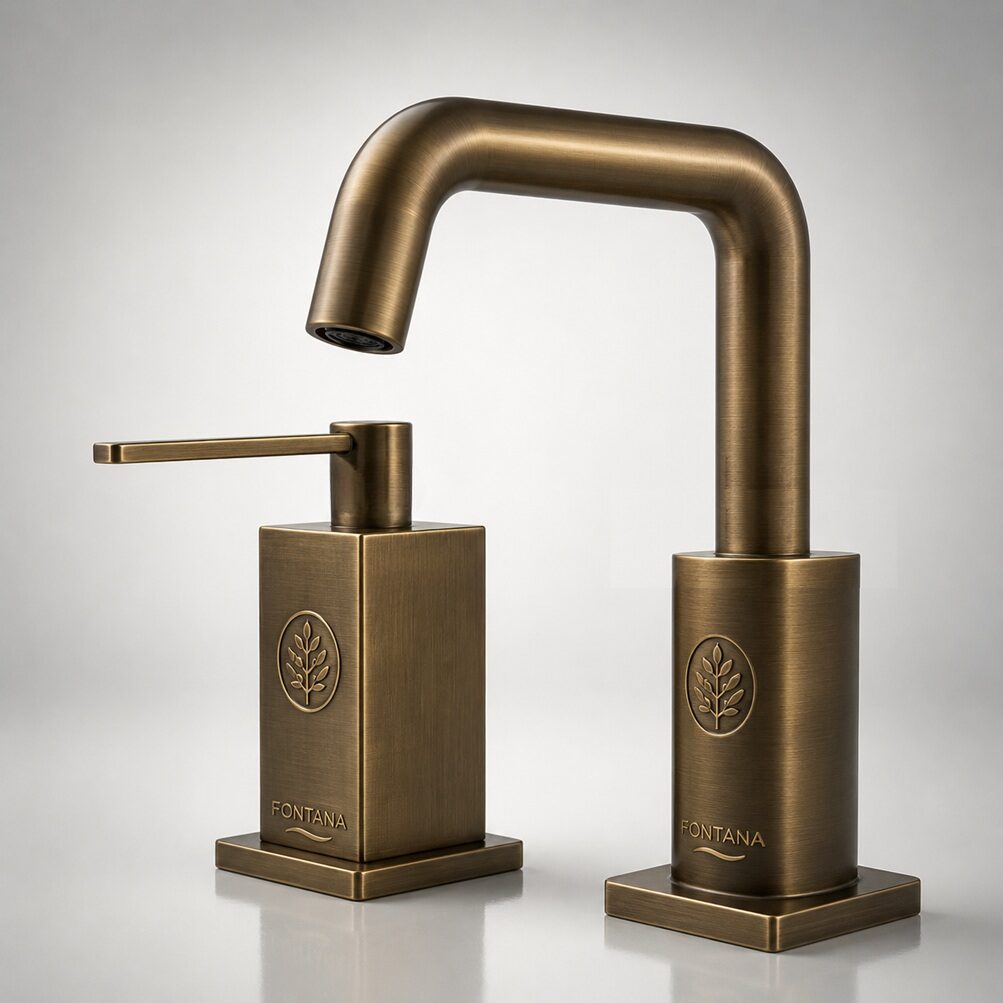
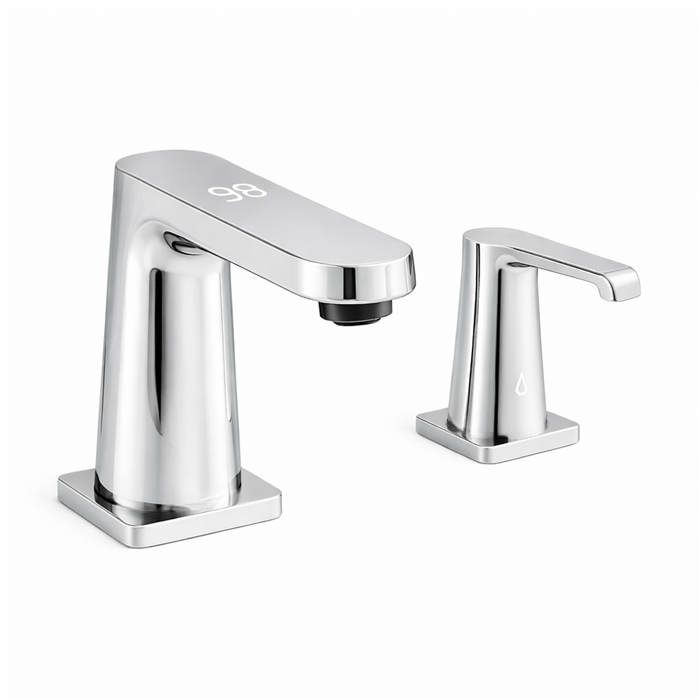
Coordinated Restroom Systems Deliver Better Results
Sensor dispensers perform most effectively when they are specified alongside compatible touchless faucets, sinks, accessories, and maintenance procedures. Coordinated restroom systems help improve fixture spacing, simplify technician training, standardize replacement parts, and create a more consistent visual appearance across commercial properties.
Architects, facility managers, and ownership teams increasingly specify complete touchless restroom systems because integrated solutions support long-term operational efficiency while maintaining the clean, modern appearance expected in today’s commercial environments.
Related Sensor Soap Dispenser Resources
-
Commercial Touchless Soap Dispensers
Explore automatic soap dispensing systems engineered for commercial buildings, healthcare facilities, hospitality projects, educational campuses, and public restrooms. -
Integrated Faucet & Soap Dispenser Systems
Coordinate touchless faucets and sensor soap dispensers to improve restroom consistency, maintenance efficiency, and user experience. -
Best Automatic Soap Dispensers
Compare commercial automatic soap dispenser systems suitable for airports, hotels, hospitals, office buildings, universities, and other high-use facilities. -
Liquid vs. Foam Soap Dispensers
Review the operational differences between liquid and foam soap systems, including maintenance, refill efficiency, and commercial performance. -
Automatic Soap Dispensers for Commercial Restrooms
Learn how modern sensor-operated soap dispensers support hygiene strategies, facility maintenance, and high-traffic restroom performance.