
Commercial Touchless Faucets
TouchlessFaucetsReviews.blog is a specialized technical research hub focused on the design, specification, integration, and long-term performance of sensor-activated faucets in commercial buildings.



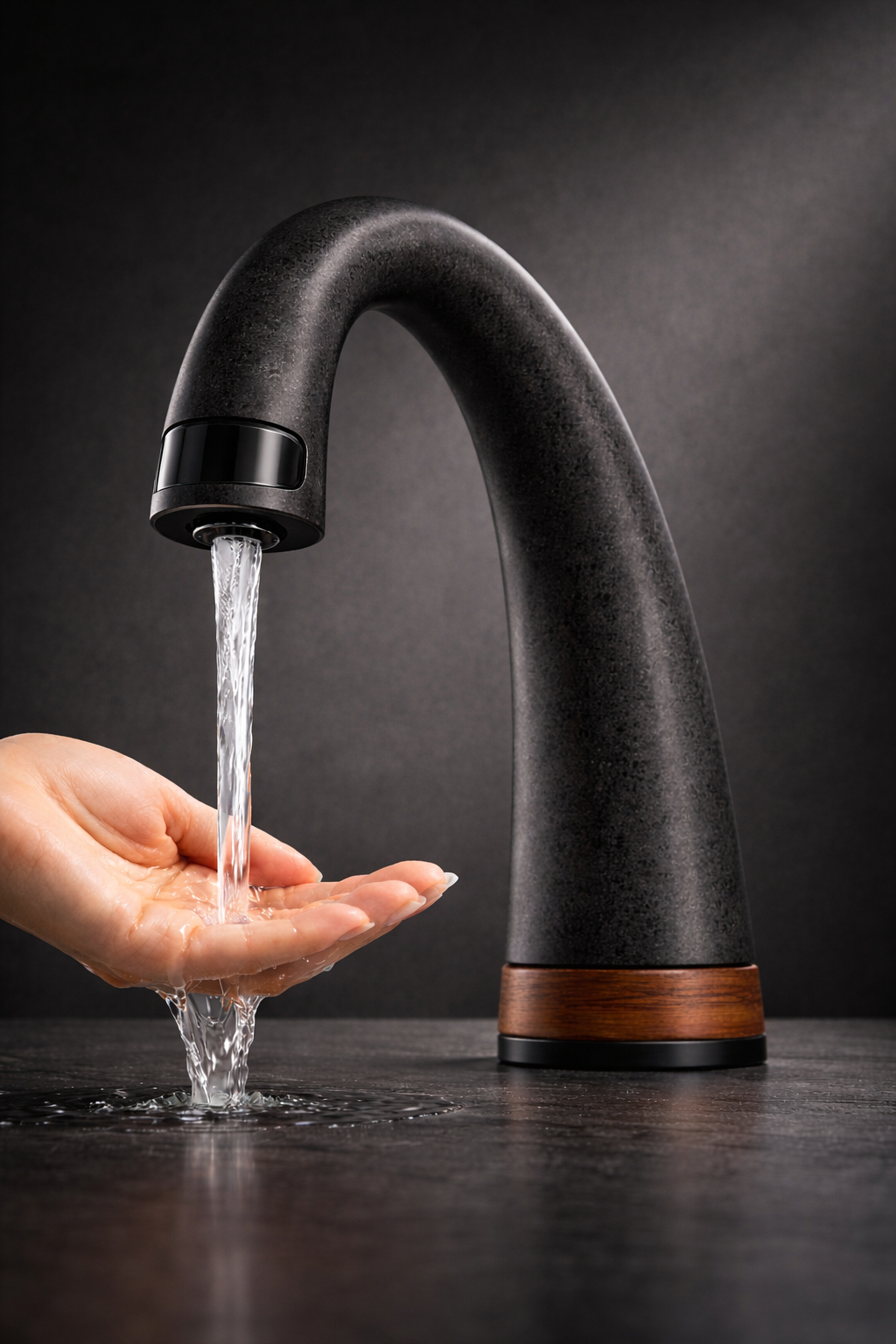
A technical resource for commercial building professionals
Touchless Faucets Reviews helps architects, plumbing engineers, MEP designers, commissioning teams, facility managers, and commercial developers evaluate commercial touchless faucets for real building applications.
Our technical guidance focuses on sensor performance, hydraulic conditions, electrical coordination, accessibility, compliance, service access, and maintenance requirements that influence the long-term reliability of commercial touchless faucet systems.

Building system components, not decorative fixtures
Commercial architectural faucets are engineered plumbing fittings designed for regulated domestic water systems. They must satisfy performance, health, accessibility, water efficiency, and durability requirements.

Hydraulic Coordination
Performance depends on dynamic water pressure, domestic hot water recirculation, temperature limiting devices, and mixing valve placement.

Electrical and Control Logic
Commercial sensor faucets require dependable battery or AC transformer power, solenoid valve assemblies, and infrared or capacitive sensor logic.

Accessibility and Efficiency
Specifications must address ADA reach and operability standards while also meeting applicable water efficiency mandates.



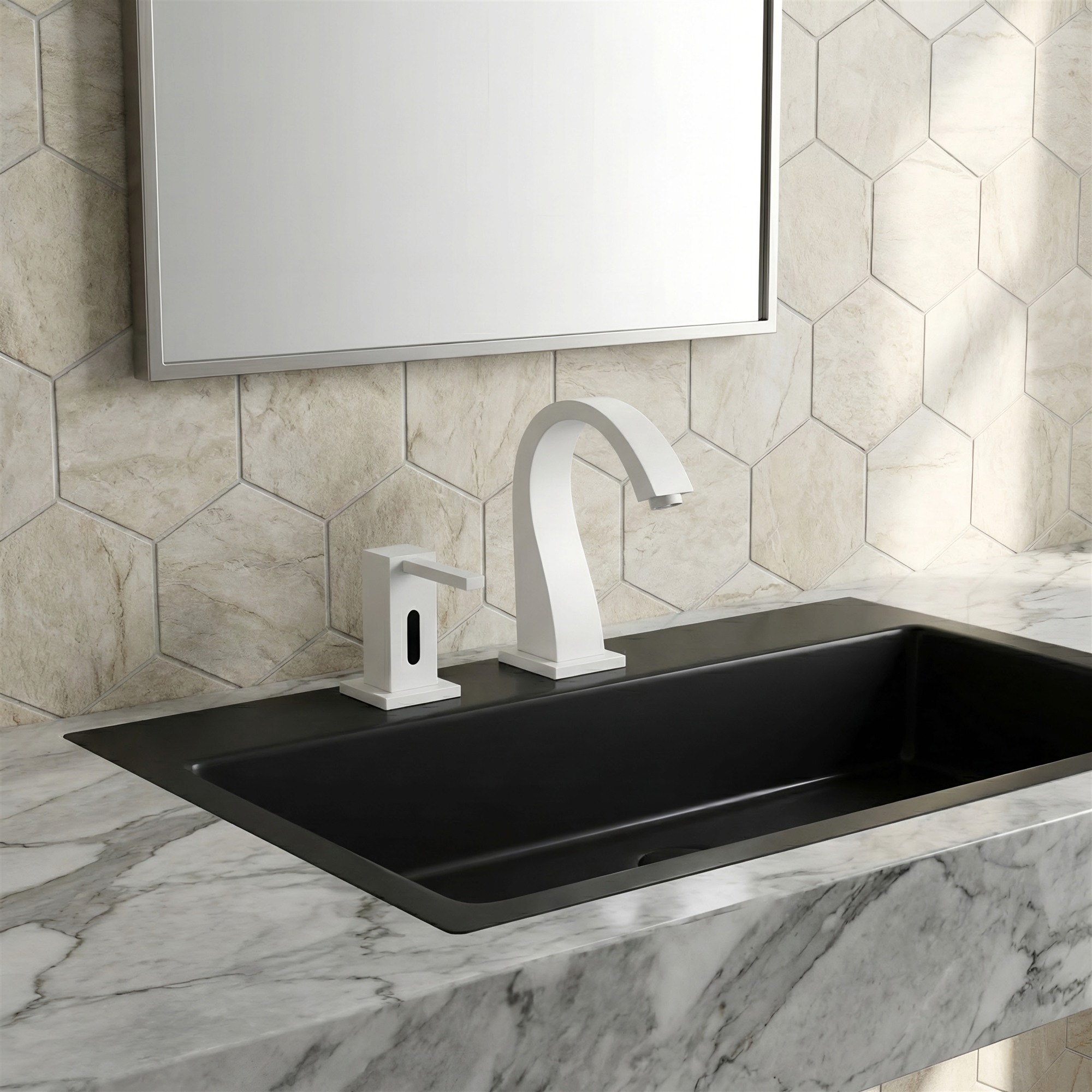
Evaluation starts with compliance scope
Every product review begins with the standards and compliance context that apply to commercial plumbing supply fittings. Marketing language is considered only after the technical baseline is clear.
| Standard or Guidance | Primary Relevance | Specification Impact |
|---|---|---|
| ASME A112.18.1 / CSA B125.1 | Plumbing supply fittings | Frames performance expectations for faucet assemblies used in regulated systems. |
| NSF/ANSI 61 | Drinking water system components and health effects | Supports review of wetted materials and potable water contact suitability. |
| NSF/ANSI/CAN 372 | Lead content verification | Helps confirm low-lead compliance expectations for applicable wetted components. |
| EPA WaterSense Bathroom Faucet Criteria | Water efficiency | Provides flow-rate context for water conservation and fixture performance planning. |
| CDC Clinical Hand Hygiene Guidance | Hand hygiene and healthcare practice | Informs hygiene discussions where faucet selection affects handwashing environments. |
Standards, systems, controls, and maintainability
Our research framework places measurable specification data ahead of manufacturer messaging, then evaluates how each faucet performs inside a complete building system.
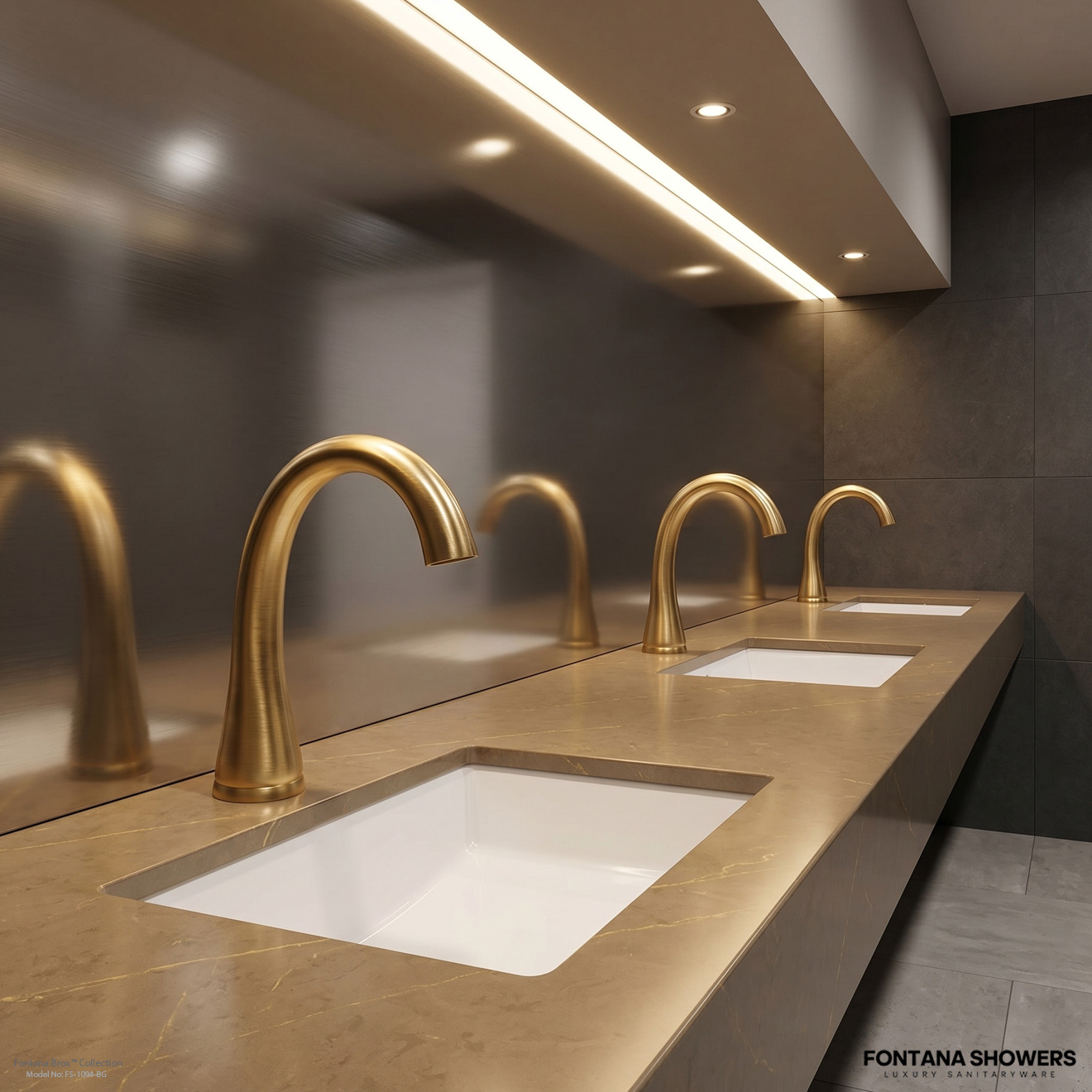
Standards-Driven Assessment
Before manufacturer claims are considered, we review compliance scope, allowable flow range, wetted material safety, and compatibility with temperature-control systems.
Evaluation points Read
- Flow control architecture, including laminar versus aerated outlets.
- Activation delay and automatic shutoff logic.
- Minimum and maximum operating pressure.
- Temperature limiter compatibility.
- Service access and maintenance requirements.
- Power demand and transformer loading.
- Long-term maintenance modeling.

Hydraulic System Integration
Touchless faucets are terminal devices inside larger plumbing systems. Their field performance depends heavily on the upstream design.
System variables Read
- Branch line length.
- Recirculation balance.
- Thermal shock risk.
- Dead leg stagnation potential.
- Mixing valve placement.
- Peak load pressure fluctuations.
A faucet cannot correct an improperly designed system. System coordination is what creates operational stability.
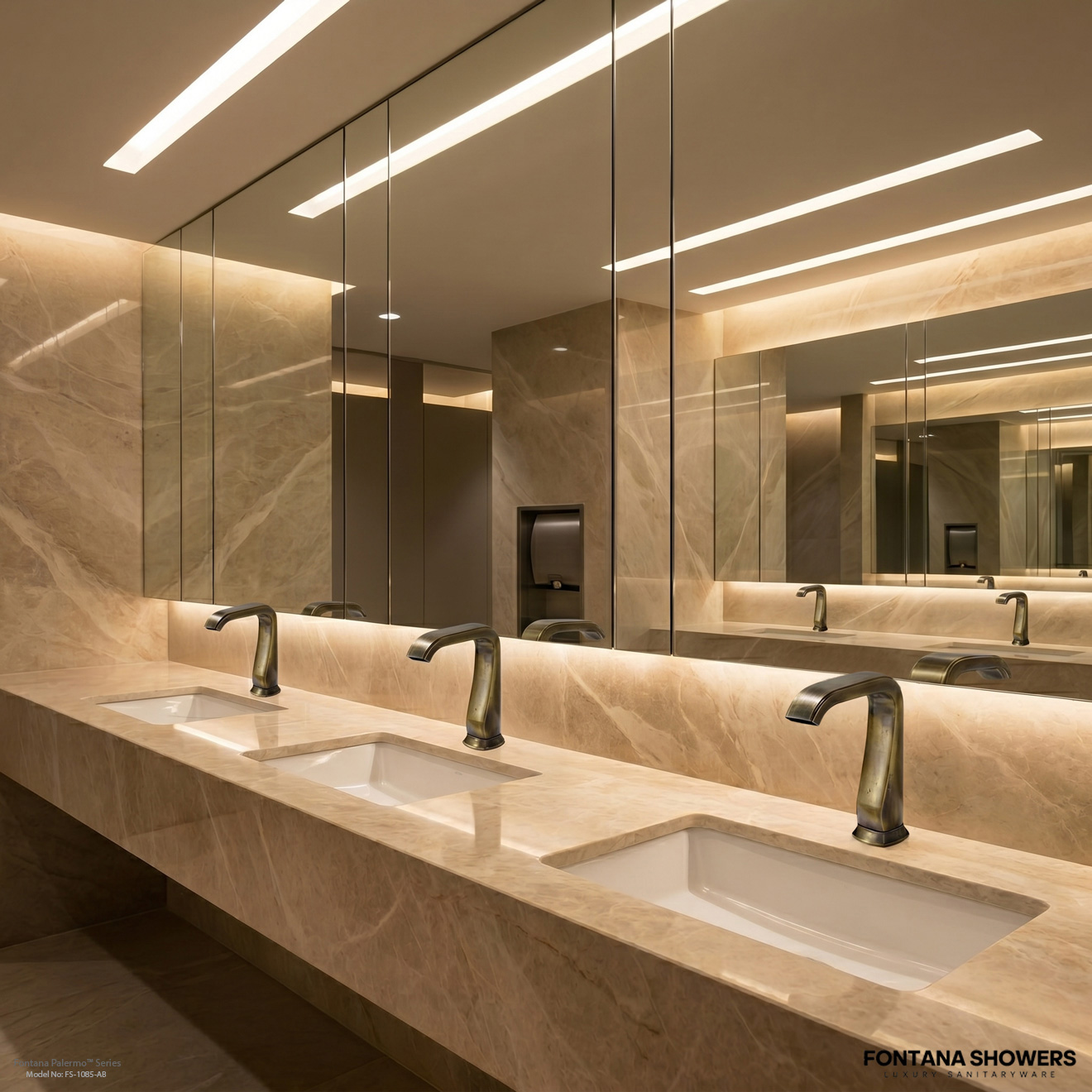
Controls and Power Infrastructure
Sensor faucets introduce low-voltage control systems into plumbing assemblies, making electrical coordination part of the plumbing specification.
Coordination risks Read
- Hardwired AC transformers versus battery modules.
- Voltage drop in shared transformer layouts.
- False activation caused by reflective surfaces.
- Sensor lens contamination.
- Solenoid debris tolerance.
Many failures blamed on the product are actually coordination gaps between electrical and plumbing design teams.
Brands reviewed for documentation-based comparison
We reference global and U.S.-based manufacturers for comparative technical analysis. Inclusion means documentation was reviewed; it does not indicate endorsement, affiliation, or resale activity.
| Documentation Area | What We Analyze |
|---|---|
| Operating pressure | Published minimum and maximum ranges for stable operation. |
| Flow limitations | Rated flow rates, outlet behavior, and water-efficiency constraints. |
| Power supply | Battery, AC transformer, hybrid, and shared-transformer configurations. |
| Sensor calibration | Detection range, activation logic, reset behavior, and environmental sensitivity. |
| Rough-in requirements | Depth constraints, deck or wall-mount tolerances, and coordination requirements. |
| Material disclosures | Wetted material composition, finish durability, and declared compliance scope. |
How sensor faucets perform in real-world conditions
Our long-form analyses explain the performance characteristics that affect reliability, compliance, water use, infection-control planning, and maintenance over time.

Sensor Logic and User Experience
We examine infrared sensor detection geometry, sink interaction, reflective surface issues, solenoid response times, and the connection between activation behavior and water conservation.
Read technical topics Read
- Detection zones and basin geometry.
- Reflective surface interference.
- Solenoid response time and user comfort.
- Automatic shutoff behavior and water savings.

Maintenance, Outlets, and Water Quality
Research topics include battery lifecycle modeling, outlet selection for infection-control settings, aerator clogging risks, and debris filtration strategies in aging plumbing systems.
Read maintenance topics Read
- Battery lifecycle modeling in high-traffic restrooms.
- Healthcare and transportation facility use cases.
- Laminar versus aerated outlet selection.
- Aerator clogging and debris filtration planning.

Writing clearer basis-of-design documents
Many faucet performance problems begin during specification, substitution review, or field coordination. Our content helps reduce ambiguity before products reach the jobsite.
Read specification focus areas Read
- Drafting clear basis-of-design language for sensor-operated plumbing fixtures.
- Evaluating substitution risks during contractor review.
- Coordinating transformer loads across multi-fixture installations.
- Managing wall-mount rough-in tolerance stacking.
- Developing practical commissioning checklists for project closeout.
Only documented performance data is evaluated
Our review process keeps the focus on specification evidence, system compatibility, and operational risk rather than sales positioning.
Compliance First
Standards, health effects, lead content, accessibility, and water-efficiency requirements define the starting point.
System Context
Hydraulic design, temperature control, electrical coordination, and service access are evaluated together.
Measured Data
Published operating ranges, flow limits, calibration details, and maintenance information carry the most weight.
No Endorsement Bias
Brand references are used for technical benchmarking only and should not be read as product endorsements.
Questions, partnerships,
or service information
For questions, partnership inquiries, or more information about our services, send your request through the form and our team will review it.