
AEC Electrical Planning Guide
Electrical Integration Advantages of Fontana Touchless Faucets
Electrical coordination is now a major part of commercial restroom design. In stadiums, theaters, universities, airports, healthcare buildings, civic venues, and hospitality properties, touchless faucets must do more than look modern. They must connect cleanly into the electrical plan, operate dependably through peak traffic, support sensor efficiency, and remain serviceable without disrupting the building.
Fontana touchless faucet systems help AEC teams simplify fixture planning because the specification can be organized around clear power strategies, sensor placement, repeatable restroom-bank details, and practical maintenance access. The result is a restroom package that supports architects, MEP engineers, contractors, facility managers, and owners with one coordinated approach instead of a collection of unrelated devices.
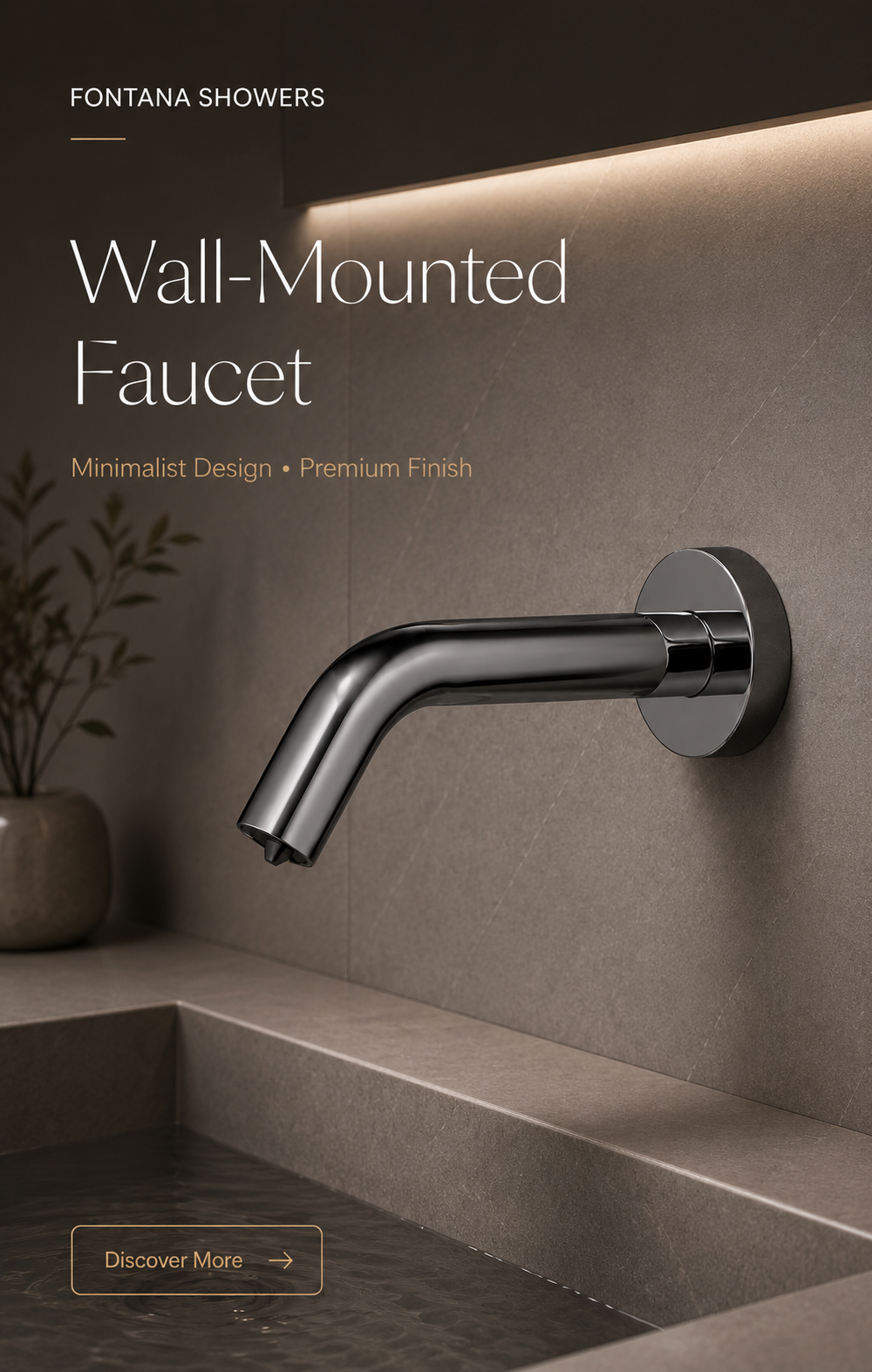
Why Electrical Integration Belongs in the Fixture Conversation
Touchless faucets are often discussed as hygiene fixtures, but in a commercial design package they are also small electrical devices repeated many times across the building. Every activation sensor, control module, solenoid valve, transformer, battery pack, or low-voltage connection has an effect on the drawings. When a project has only a few sinks, these details may seem simple. When a project includes dozens or hundreds of wash stations, the electrical strategy becomes a real coordination item.
Read MoreShow Less
Fontana touchless faucets give AEC teams a more organized way to handle that coordination. The fixture is planned as part of a complete restroom system: water supply, drain layout, counter or wall mounting, sensor view angle, power source, access panel, valve location, finish selection, maintenance route, and long-term operation. This helps reduce late-stage changes because the team can decide early whether a restroom bank is best served by hardwired AC power, DC battery operation, or a hybrid strategy that supports power continuity and easier phasing.
In demanding commercial facilities, electrical integration is not only about connecting a product. It is about protecting uptime. A restroom that loses power, has inconsistent sensing, or places components behind inaccessible millwork can create maintenance delays and guest dissatisfaction. Good planning allows touchless faucets to operate quietly in the background while the public experiences cleaner, faster, and more reliable handwashing.
AC/DC Compatibility Supports New Construction, Renovation, and Phased Work
One of the strongest electrical integration advantages of Fontana touchless faucets is the ability to plan around different power conditions. In new construction, AC power is often preferred because the electrical team can coordinate low-voltage locations, transformers, conduit pathways, and access points before walls and counters are complete. This gives owners a clean, consistent installation for repeated wash stations and helps facility teams avoid frequent battery-management routines in the highest-use areas.
Read MoreShow Less
In renovation work, DC battery operation can be valuable when opening walls or routing new electrical infrastructure would create cost, schedule, or preservation challenges. Historic theaters, university stadiums, older civic buildings, and active hospitality properties may need touchless upgrades without major demolition. A DC-powered or battery-supported plan can help keep the project practical while still delivering hands-free activation and modern restroom performance.
Hybrid planning gives MEP teams another layer of flexibility. A project may use hardwired power where electrical pathways are available and battery-backed or DC options where access is limited. This is especially useful in phased commercial work, where one restroom bank may be renovated while another remains open. Instead of forcing every room into the same construction condition, the design team can create a consistent user experience while adapting the power strategy to the realities of each location.

Sensor Efficiency Improves the Electrical and Operational Plan
A touchless faucet sensor is a small interface, but it controls the user’s entire handwashing experience. If the sensor activates too slowly, users wave repeatedly and increase time at the sink. If it activates too broadly, water may run when it is not needed. If it is blocked by counter depth, basin geometry, reflection, or poor mounting height, the facility team receives avoidable service complaints. Efficient sensing is therefore both an electrical planning issue and an operational issue.
Fontana touchless faucets are designed for predictable activation in commercial environments, making them well suited for restroom banks where many users move through the same sequence. For AEC teams, the advantage is clear: the faucet can be coordinated with sink layout, mirror placement, lighting, counter overhang, user reach, and power access before installation. This reduces the risk that the sensor will be forced into an awkward position after the millwork is complete.
Efficient sensor operation also supports water discipline. The faucet runs when a user is present and shuts off without relying on the user to close a handle. Across a large facility, that behavior can help reduce unnecessary run time while still maintaining a comfortable handwashing experience. The best restroom design is not only low-contact; it is intuitive, responsive, and easy for the public to understand.
Simplified Electrical Planning for High-Traffic Commercial Facilities
Large commercial restrooms are easiest to build and maintain when the repeated details are clear. Architects and engineers can simplify coordination by selecting fixture families early, showing power requirements in the restroom enlarged plans, identifying transformer or battery locations, and confirming access panels before construction documents are finalized. Fontana touchless faucets support this approach because they can be specified as part of a repeatable system across public concourses, hospitality suites, university venues, theaters, healthcare restrooms, transportation terminals, and corporate facilities.
Standardized electrical planning also reduces field questions. If each sink bank uses a different sensor faucet, a different soap dispenser, and a different power method, the installation becomes harder to inspect and harder to maintain. If the project uses a coordinated package, contractors can repeat the same rough-in logic and facility teams can learn one maintenance routine. This is a major advantage in venues where uptime matters. A stadium restroom, for example, may be quiet for hours and then face a rush of users during halftime. A theater restroom may experience its highest traffic during intermission. A transportation facility may never fully close.
Dependable operation is built during the design phase. The faucet should be easy to reach for service. The electrical connection should be protected from water exposure. The access path should not require unnecessary disassembly. The sensor should align with the basin and user posture. The finish should withstand frequent cleaning. The power strategy should match the way the facility is staffed. By treating these points as one design decision, Fontana touchless faucets help AEC teams create restrooms that are cleaner to use and easier to own.
 Featured large-venue restroom visual showing why fixture, electrical, and maintenance planning must work together.
Dependable Operation Across Demanding Commercial Use Cases
Electrical integration becomes more important as restroom demand increases. A boutique office restroom and a 70,000-seat stadium restroom may both use touchless faucets, but the operating conditions are very different. High-traffic facilities place more stress on activation cycles, power continuity, water-control components, soap delivery, cleaning routines, and staff response time. Fontana touchless faucets are a strong fit for these environments because the specification can be tied to real operational needs rather than a simple product upgrade.
Read MoreShow Less
In stadiums and arenas, dependable operation supports crowd movement. Guests should be able to wash and exit quickly without struggling to trigger a faucet. In theaters and performing arts venues, the system must handle concentrated intermission traffic while preserving a refined appearance. In universities and civic buildings, durability and easy maintenance matter because restroom use is frequent and public. In healthcare and transportation environments, low-contact operation supports hygiene goals while predictable activation helps prevent user hesitation.
The electrical advantage is not only that a faucet can receive power. The advantage is that the faucet can be planned, installed, accessed, and operated in a way that supports the building’s real schedule. For facility managers, this means fewer unknowns. For contractors, it means clearer rough-in expectations. For architects, it means better design consistency. For owners, it means a restroom package that feels modern while supporting long-term lifecycle value.
| Planning Layer | AEC Objective | Fontana Touchless Advantage | Commercial Facility Benefit |
|---|---|---|---|
| Power Source | Coordinate AC, DC, or hybrid options early. | Flexible electrical planning supports new construction and retrofit work. | Fewer field conflicts and cleaner installation sequencing. |
| Sensor Placement | Align activation range with sink geometry and user movement. | Efficient sensor response supports intuitive hands-free use. | Faster restroom flow and fewer activation complaints. |
| Maintenance Access | Keep control components reachable for inspection and replacement. | Standardized fixture planning simplifies service routines. | Reduced downtime exposure in high-use restroom banks. |
| Water Control | Limit unnecessary run time without sacrificing comfort. | Sensor-based activation supports controlled water delivery. | More disciplined restroom operation at scale. |
| Design Integration | Match modern interiors with durable commercial fixtures. | Deck-mount, wall-mount, chrome, brushed, and architectural profiles support varied zones. | Consistent public image across concourses, suites, theaters, and civic spaces. |
Extracted and Verified Image Gallery for the Blog Page
The following visual set gives the page stronger AEC value by showing stadium context, commercial restroom banks, theater references, and system-level restroom planning diagrams. These images help the article feel like a design and specification resource rather than a generic product article. They also support the electrical integration topic because the reader can see how fixture repetition, sink-bank planning, venue traffic, and service strategy all connect.

Large Venue Envelope
Stadium projects require early coordination between public restroom layouts, fixture counts, and utility planning.

Repeated Sink Stations
Standardized fixtures make electrical access, sensor alignment, and maintenance routines easier to repeat.

Public Restroom Circulation
Touchless systems should be coordinated with user flow, sink spacing, and access to service components.

Game-Day Demand
Event surges make dependable sensor operation and power continuity visible to both users and staff.

Trough Sink Planning
Long sink runs benefit from consistent sensor spacing, protected wiring, and clearly reachable components.

Chrome Stadium Faucets
Commercial chrome profiles support high-use restroom banks while maintaining a clean architectural finish.
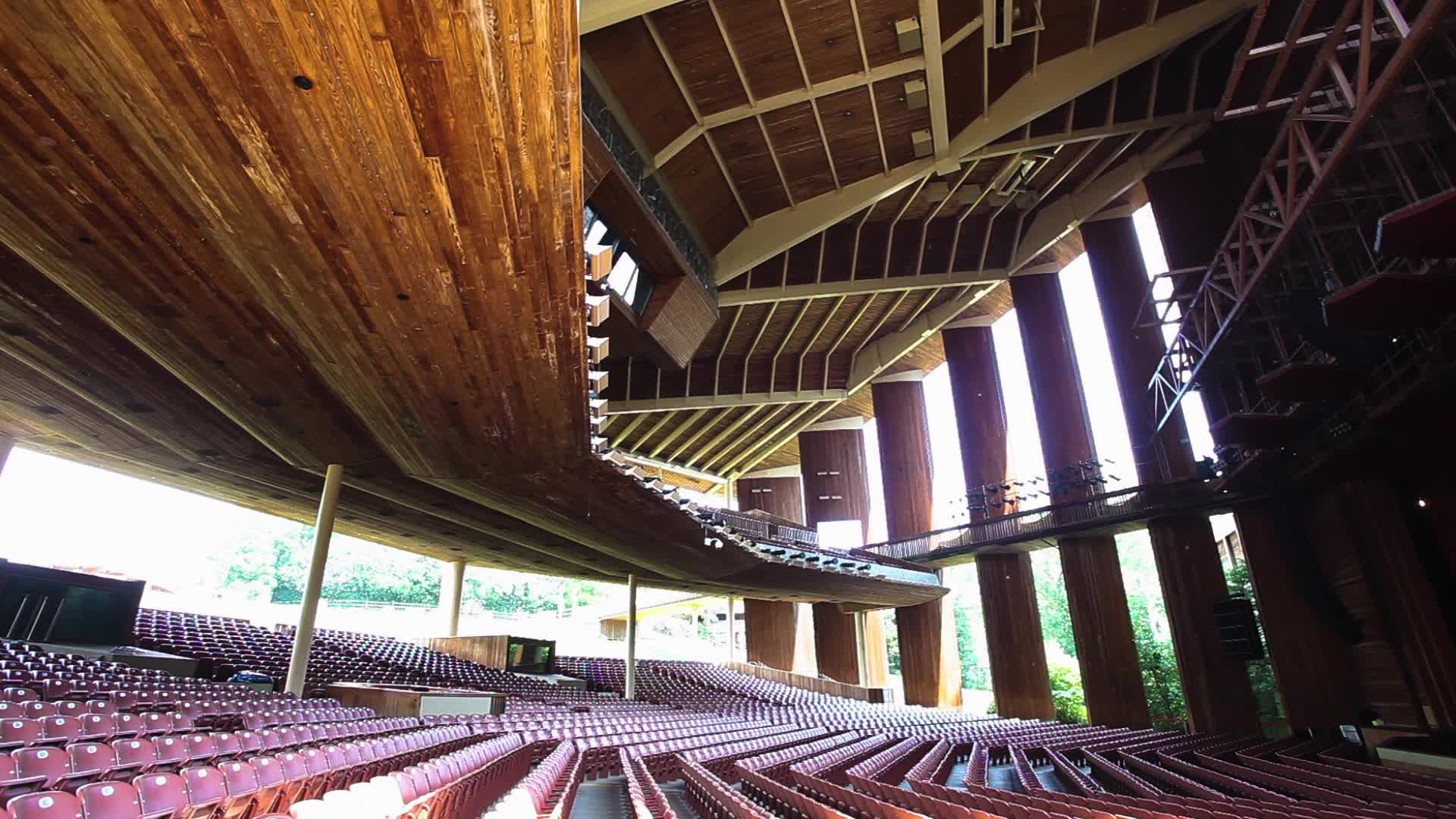
Architectural Venue Reference
Performance venues often need touchless upgrades that respect existing architecture and minimize disruption.
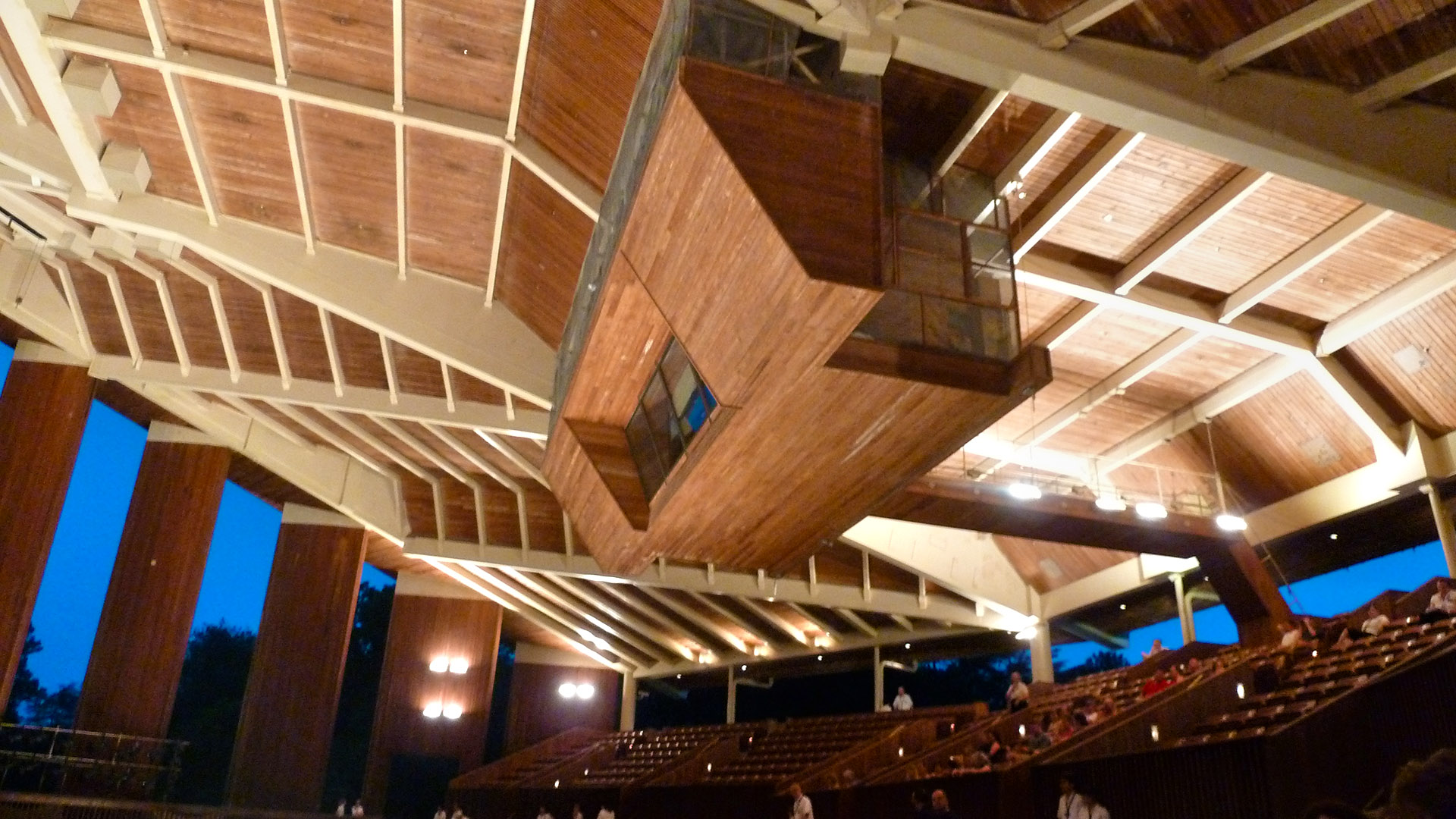
Retrofit Sensitivity
AC/DC planning helps older or specialized buildings upgrade fixtures without overcomplicating construction.
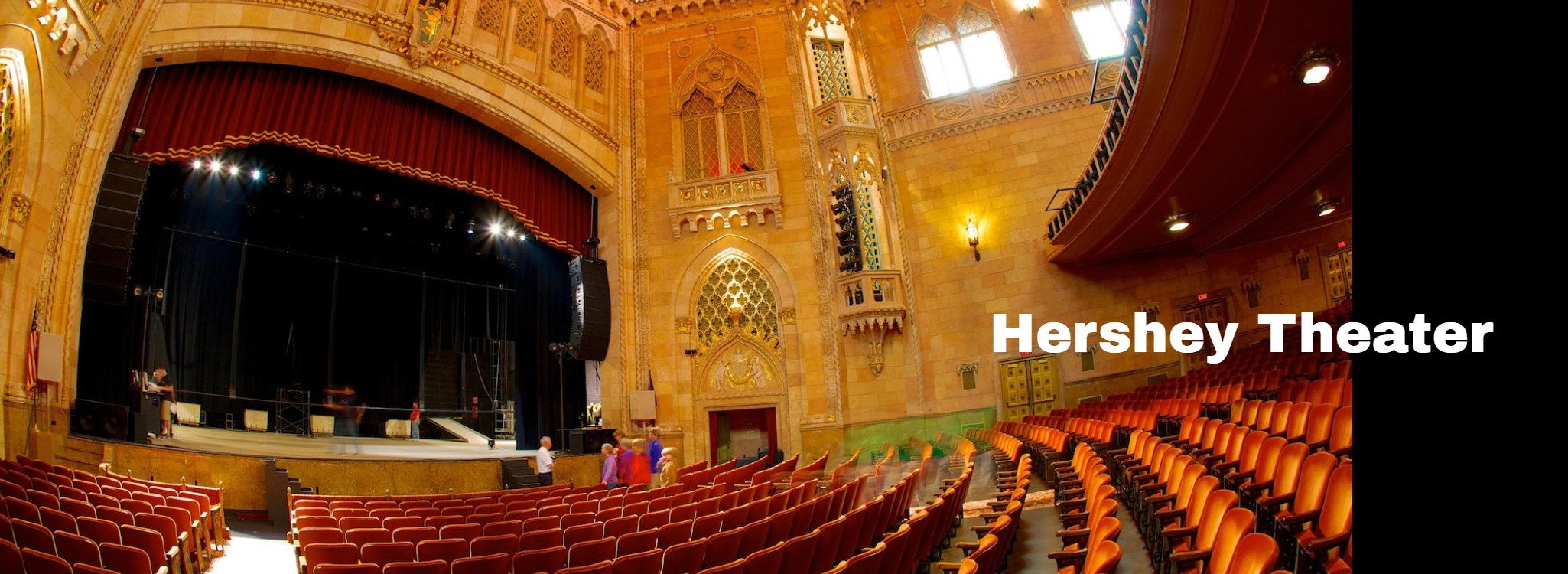
Hershey Theater
Theater restrooms must perform during compressed intermission traffic while preserving a refined guest setting.
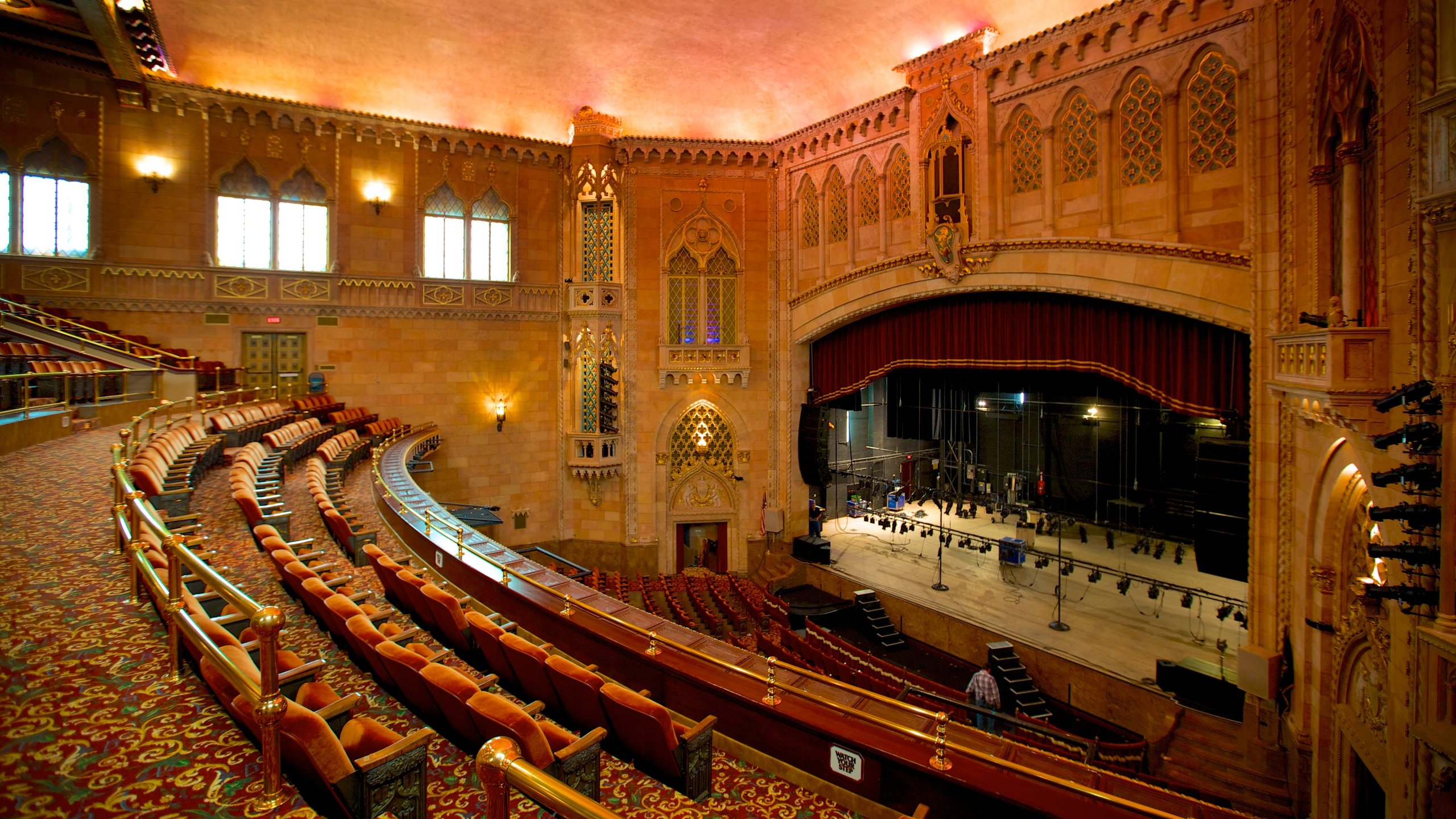
Historic Facility Planning
Electrical and fixture upgrades should protect the visitor experience while simplifying facility maintenance.

Stadium Systems
Stadium restroom systems require fixture durability, reliable activation, and service access across repeated zones.

Peak Capacity Pressure
High crowd volume makes the electrical reliability of every touchless wash station more important.
Required Project Links
Read MoreShow Less
These required links are included as clean button-style cards so the page can support internal linking, project context, and stronger topical relevance for AEC readers researching Fontana touchless faucet applications.
Related AEC, Stadium, and MEP Resources
The related-links layout below highlights a featured photo first, then organizes the remaining resources into clear cards for architects, MEP engineers, owners, and facility teams.

Verification and Publishing Notes
Read MoreShow Less
Conclusion: Electrical Simplicity Strengthens Touchless Restroom Performance
The strongest commercial restroom systems are not created by selecting fixtures at the end of the project. They are created when architecture, plumbing, electrical planning, maintenance strategy, and user experience are coordinated early. Fontana touchless faucets support that approach by giving AEC teams a practical way to plan AC/DC compatibility, sensor efficiency, access, standardization, and dependable operation as one connected design decision.
Read MoreShow Less
For large venues and demanding commercial facilities, this coordination directly affects the building’s daily performance. Reliable sensors help users move faster. Flexible power planning supports both new construction and renovation. Accessible components help facility teams reduce downtime. Consistent fixture families simplify installation and maintenance. Modern finishes help the restroom align with the rest of the architecture. When these advantages work together, Fontana touchless faucets become more than a hygiene upgrade. They become part of the building’s operational infrastructure.
Featured Fontana Touchless Faucet Electrical Integration Gallery
This gallery incorporates the supplied Fontana touchless faucet image set while retaining the AEC page format. The first product is highlighted as the featured photo, and the remaining items are organized as professional product cards for architects, engineers, contractors, commercial restroom planners, and owners comparing finish options, fixture styles, and sensor-ready restroom layouts.
These visuals also reinforce the electrical planning topic. A wall-mounted fixture changes where wiring, valves, and access panels may be placed. A deck-mounted faucet affects countertop penetrations and below-counter service space. A repeated sink-bank design requires sensor spacing and fixture standardization. Premium finishes help the restroom align with the architectural concept, but the electrical and maintenance logic still needs to be clean, accessible, and repeatable.

Featured Photo: Fontana HydroVibe Matte Black Sensor Faucet & Soap Dispenser
Matte black faucet-and-dispenser pairing for coordinated commercial restroom planning, sensor placement, power access, and modern AEC specification packages.

Gold Thermostatic Vessel Sink Combo
Premium gold touchless configuration for hospitality, theater, executive, and high-design commercial washroom environments.

Fontana BS7851GR Touchless Fixture
Wall-mounted touchless fixture visual suited for repeated sink-bank layouts and clean architectural restroom elevations.

Leo Rose Gold Thermostatic Sensor Faucet
Rose gold commercial touchless faucet for projects needing elevated finishes, sensor performance, and AC/DC planning flexibility.

Brushed Gold Smart Sensor Faucet
Commercial hands-free fixture with a warm brushed gold finish for luxury public restrooms and specification-driven interiors.

Orion FlowSense Hammered Bronze
Bronze touchless faucet option for distinctive commercial restrooms, heritage-inspired interiors, and durable hands-free operation.

Fontana Touchless Fixture Collection
Collection visual for broader product browsing across commercial touchless faucets, finishes, wall-mount types, and deck-mount types.

Matte Black & Gold Wall-Mounted Sensor Faucet
Architectural wall-mounted fixture for trough sinks, high-end commercial restrooms, and coordinated restroom-bank electrical planning.

Chrome Wall-Mounted Commercial Sensor Faucet
Chrome wall-mount option for high-traffic restroom layouts where durability, clean appearance, and sensor reliability matter.

Reno Gold Automatic Sensor Faucet
Gold commercial hands-free faucet for projects needing a refined finish with practical touchless operation.

FlowSense Oil Rubbed Bronze
Oil rubbed bronze touchless faucet for premium bathrooms, traditional interiors, and commercial design continuity.

FlowSense Rose Gold Dual-Temp
Rose gold hot-and-cold touchless faucet for high-design commercial restrooms requiring finish impact and hands-free efficiency.